FAIR Awareness
Section outline
-
 Online
 Zoom
Zoom 27 November 2024, from 13:00 to 17:00
29 November 2024, from 13:00 to 17:00
4 December 2024, from 13:00 to 17:00
5 December 2024, from 13:00 to 17:00
11 December 2024, from 13:00 to 17:00
 25 (online)
 Barbara Magagna (GO FAIR Foundation), Erik Schultes (GO FAIR Foundation)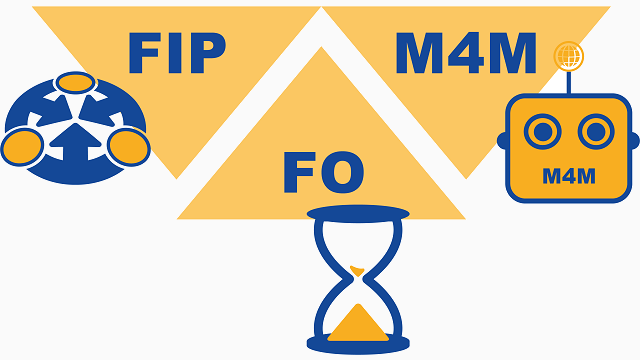
The FAIR Principles call for findable, accessible, interoperable, and reusable data for humans and for machines, but they don’t provide detailed instructions on how to achieve these goals. This course provides a rigorous understanding of the FAIR Principles and ideas on how to roadmap your FAIR implementation ambitions using the Three-Point-FAIRification Framework.
After completion of the course the trainees will be knowledgeable about the origins and history of FAIR, the problems that FAIR solves (Why do we need FAIR?), the costs/benefits of implementing FAIR, be aware of good implementation examples and of “Fake FAIR”, be aware of qualitative and quantitative FAIR assessment tools, be knowledgeable on how FAIR fits into data management and data stewardship, and understand how to prioritize FAIR implementations in project proposals and roadmapping.
Participation is documented as publicly available nanopublications.
-
The lectures on five topics will alternate with practical exercises and comparisons of tools (20 hours).
- History and Origins of FAIR (4 hours)
- FAIR Principles (4 hours)
- FAIR Data Stewardship (4 hours)
- Good FAIR Practices (4 hours)
- FAIR Assessment tools (4 hours)
-
-
This session covers the origins of the FAIR Principles in the larger context of the evolution of the Internet, data overload, and long-term trends in computer science such as those towards interoperability and human-machine interaction. The technical aspects of the discussion are complemented with fun and interesting first-person anecdotes regarding the numerous people who contributed early on to the movement.
-
Everyone knows F, A, I and R, but the FAIR Guiding Principles consist of 15 one-liners that define the behaviors thought to be necessary for machine-actionability of data and services. In this unit, we unpack the assumptions implicit to each of these FAIR Principles, and interpret their intentions. We also examine common misconceptions and the areas not covered by FAIR.
-
The FAIR Principles wisely offer no instruction regarding actual implementation. Although this may have contributed to their rapid and wide-spread up-take, it also means that implementation practices are diverse, with some risk of divergence and “reinvention of the wheel” that may be counter productive. This session will provide some overview of FAIR practices and guidance on emerging good practices (and associated tools) that can help data professionals efficiently create high quality data assets.
-
FAIR has developed along with the evolving practices in data management and stewardship. Although essential data stewardship issues will be covered, this session will also provide a historical overview, current trends and perspectives on the future of responsible FAIR data creation and preservation. Interesting examples will be provided on tooling that supports FAIR data management plans.
-
Since 2018, there has been an explosion of tools and methods around FAIR Assessment. We will cover some general issues that have surfaced and provide an overview of some existing FAIR assessment services that are qualitative, quantitative, manual and automated. Participants will also get hands-on experience in using these services.